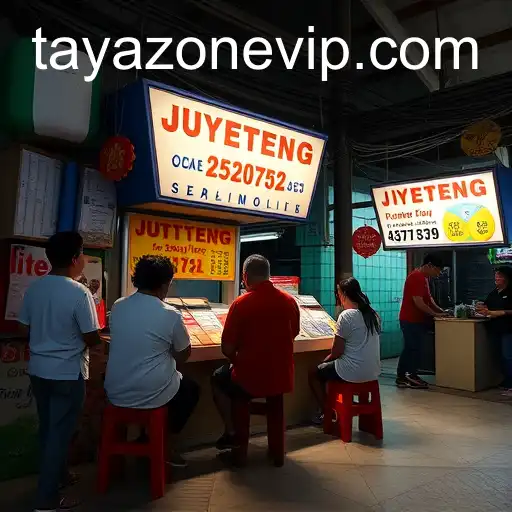
Understanding the Complexities of Jueteng: A Deep Dive
Jueteng is a fascinating yet controversial topic deeply embedded in the cultural and socio-economic fabric of the Philippines. Derived from two Chinese characters, 'jue' meaning flower and 'teng' meaning blossom, the game is a form of numerical gambling similar to lottery games. However, unlike state-run lotteries, jueteng operates outside the boundaries of legality. Understanding jueteng requires unearthing its intricate networks, the socio-political implications surrounding it, and the modern adaptations that have emerged alongside technology innovations, such as the alluded TayaZone VIP platform.
The Mechanics of Jueteng
Jueteng is typically played using numbers from 1 to 37, and it involves drawing two winning numbers. Players place bets on their chosen numbers, and if the numbers they select are drawn, they win a pre-determined payout. The simplicity of the game contributes to its massive popularity among the masses, especially those from lower-income communities. Unlike official lottery systems that require tickets to be purchased from authorized outlets, jueteng's decentralized nature allows for greater accessibility as bettors can place their wagers through local cobradors (collectors) who roam neighborhoods.
The Role of the Cobradors
The cobradors are pivotal to the jueteng network. They traverse through communities gathering bets and are the point of contact between the bettors and the operators. Their relationship with the community is often one of mutual trust and familiarity. More than just facilitators, cobradors often become integral members of the communities they serve, sometimes extending small loans to regular bettors and playing roles in local occurrences and celebrations.
Socio-Economic Impact
Jueteng presents a paradoxical situation. It offers hope to many players desperate for a financial windfall, but it also perpetuates financial instability among its participants. A significant portion of the Filipino population, particularly those in economically disadvantaged sectors, rely on jueteng hoping for a chance to uplift their conditions. However, the low probability of winning and the habit-forming nature of gambling can lead to exacerbated financial struggles. This gambling system, therefore, operates as both a comfort to the gambler's daily dreams and a catalyst for potential economic downfall.
Political Underpinnings
Jueteng is more than a mere gambling activity; it is deeply entwined with political dynamics in the Philippines. Local officials to high-ranking politicians have been accused of benefitting from jueteng operations. The distribution of proceeds from jueteng is often alleged to include payoffs to corrupt officials, ensuring the continuity of operations. Consequently, it serves as both a political tool and a point of contention. Various administrations have attempted to abolish jueteng but have been met with considerable resistance due to these entrenched interests. Eliminating jueteng remains challenging not only because of its clandestine operations but also due to the inherent corruption intertwined with its existence.
Technological Innovations: The Rise of TayaZone VIP
While traditional jueteng relies on a physical network of people, the evolution of technology has paved the way for digitized versions of the game. Platforms like TayaZone VIP can offer similar gambling experiences in a digital environment. These platforms could also potentially bring a degree of regulation and accountability if they were pushed towards a formal, legal space of operation. Moreover, digital platforms can introduce features like secure transactions and transparent record-keeping which are notably absent in traditional jueteng operations.
Challenges and Future Outlook
The transition from traditional mechanisms of jueteng to platforms like TayaZone VIP introduces new challenges and opportunities. While digital platforms could potentially mitigate some of the social ills caused by jueteng, appropriate measures must be taken to ensure they do not simply replace one form of addiction with another. Regulatory frameworks could help in channeling the revenue generated through these platforms into community development programs.
Legalizing and regulating jueteng-like entities could also ironically undermine the traditional networks, breaking the economic cycle of payouts and collections that support criminal syndicates. However, any move towards overhauling jueteng must be sensitive to the complex web of social, cultural, and political factors it resides within. Ultimately, the evolution from street corners to digital screens may represent the next chapter of this long-standing traditional game.
In conclusion, jueteng stands at the intersection of culture, economy, and politics in the Philippines. Its continued existence, and perhaps evolution, into platforms like TayaZone VIP poses fundamental questions about the balance between cultural practices, economic realities, and regulatory policies. While its future remains uncertain, jueteng undoubtedly occupies a significant place in the socio-political narrative of the nation.